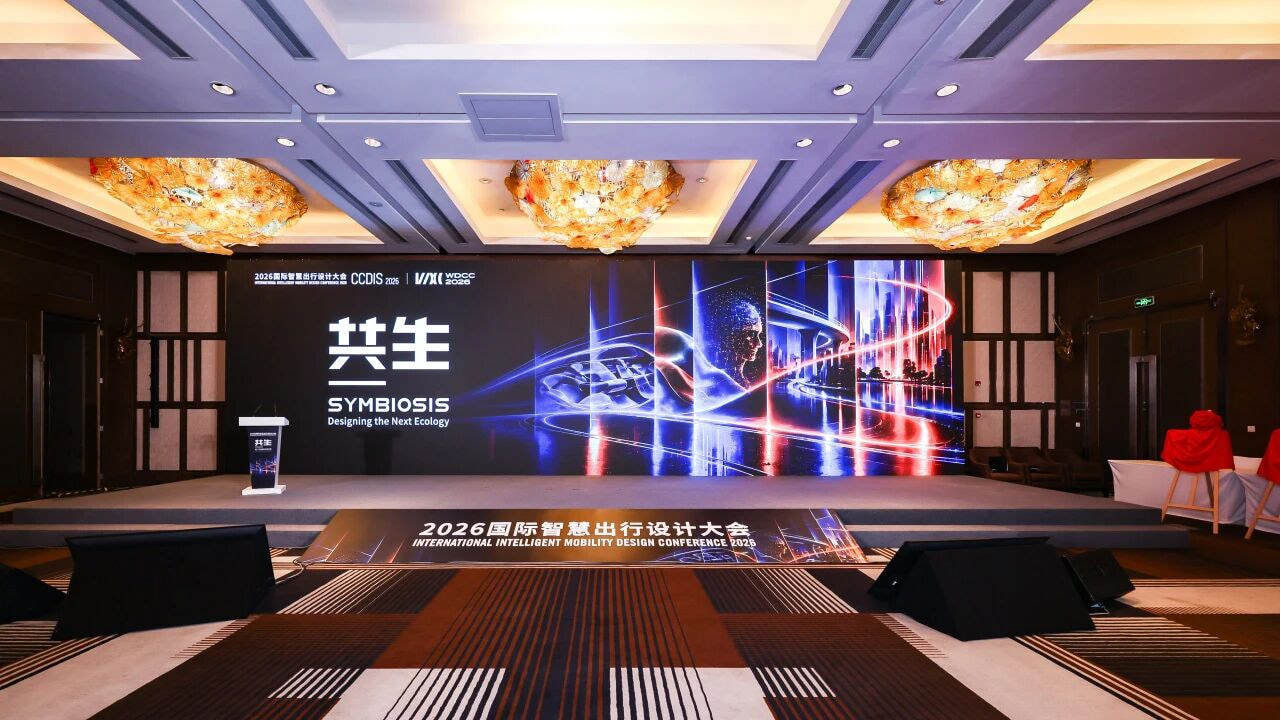
This year’s CCDIS Summit centered on the theme of “Symbiosis.” He Ying pointed out that symbiosis has never been limited to the relationship between humans and AI: “In an ecosystem, no two trees are exactly alike. They compete for the same sunlight and draw from the same rain, yet each grows into its own distinct form. Symbiosis exists not only between humans and AI, but also between technology and aesthetics, and between brands and users.”
Building on this premise, He Ying outlined how Chinese automotive brands can find their place within the global design landscape through five keywords, moving from the internal to the external: self-establishment, self-strengthening, system-building, adaptation, and global participation.
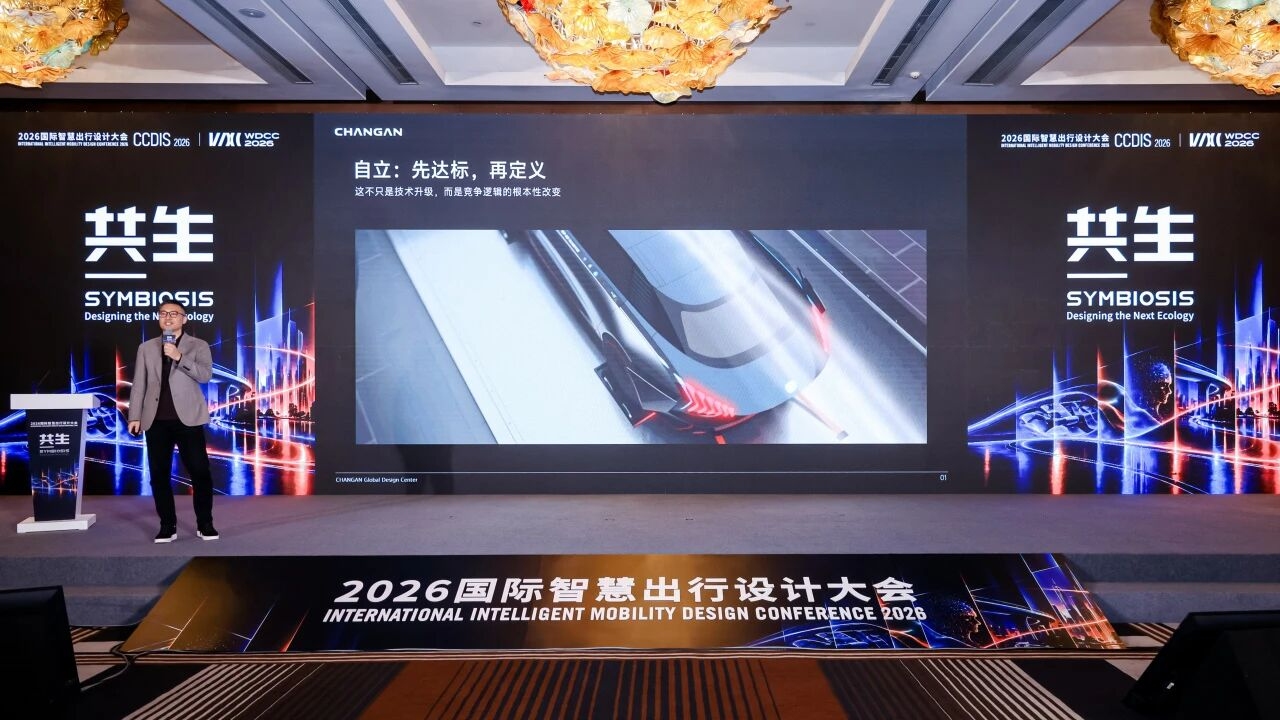
Self-Establishment: Meet Standards First, Then Define Them
In the past, Chinese automotive design aimed primarily to meet externally defined standards. The rise of electrification and intelligent technologies has disrupted the original evaluation framework. In fields without established reference points, design gains the power to define new standards.
“Speed is a capability; deciding where to turn is definition.”
Self-Strengthening: Shared Excellence, Distinct Character
“Shared excellence” represents a unified baseline of quality and experience logic, while “distinct character” refers to each brand’s clear and differentiated identity. Changan’s multi-brand portfolio expresses this clearly: Deepal emphasizes pioneering vitality, Qiyuan focuses on purity and comfort, and Avatr interprets luxury through emotional design. Though rooted in the same origin, each brand maintains a strong individual personality.
“When placed side by side, their distinct personalities are immediately recognizable; viewed separately, they are still clearly identifiable as part of the same company.”
System-Building: Guided by Principles, Strengthened by Systems
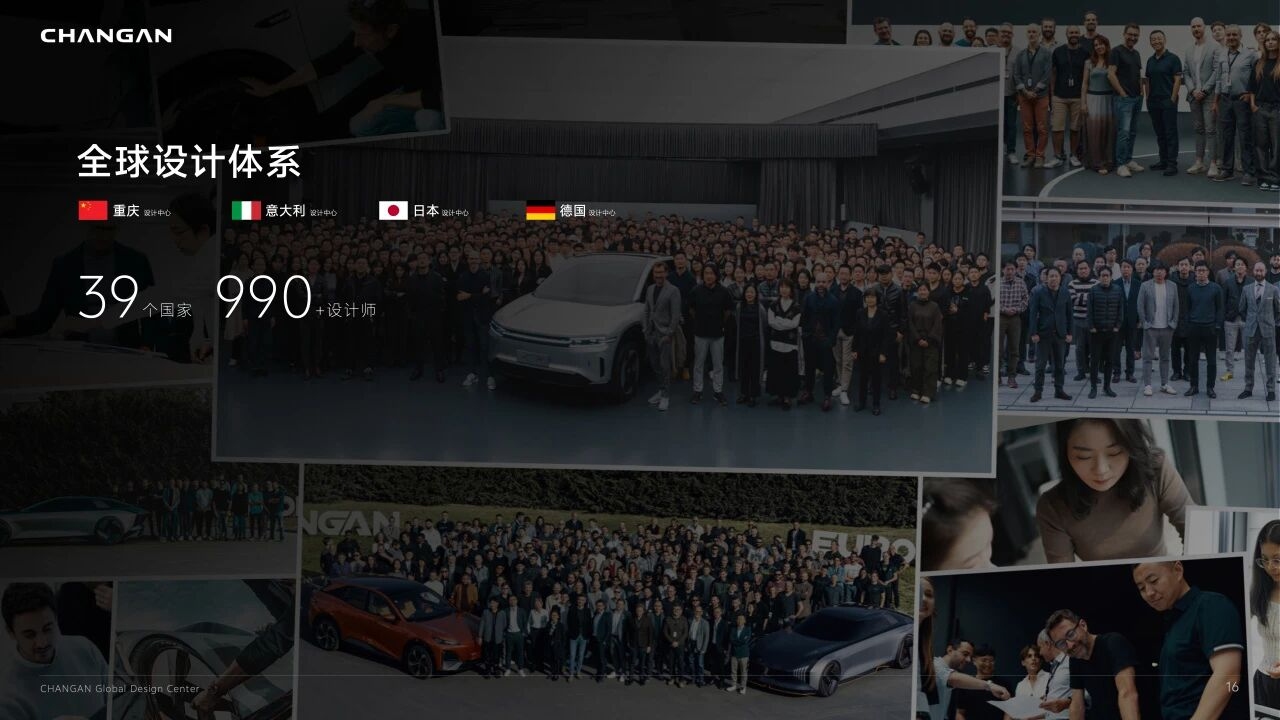
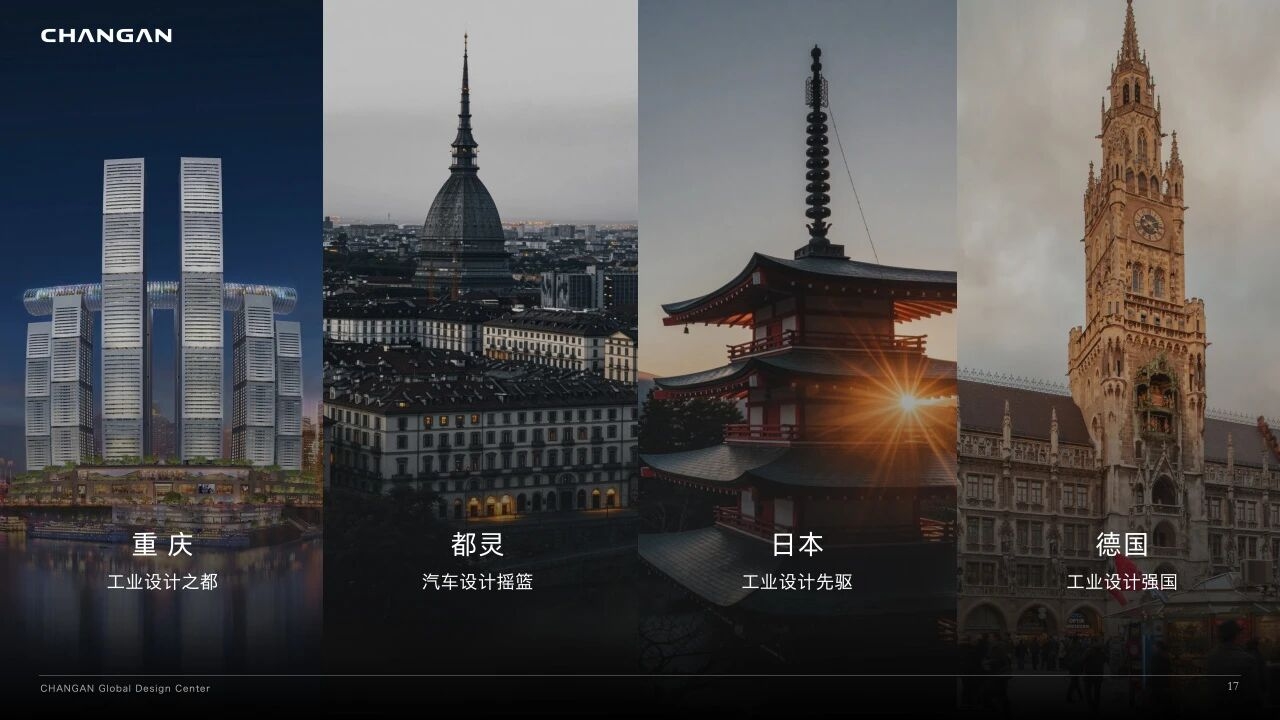
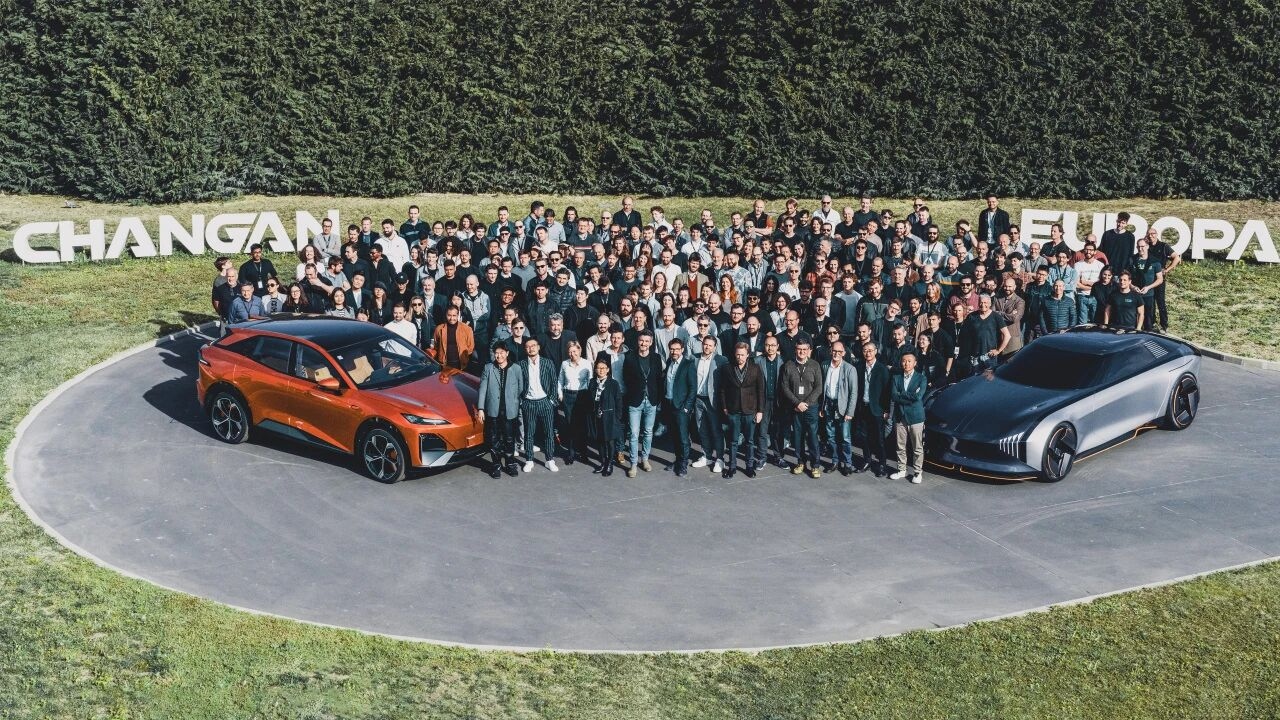
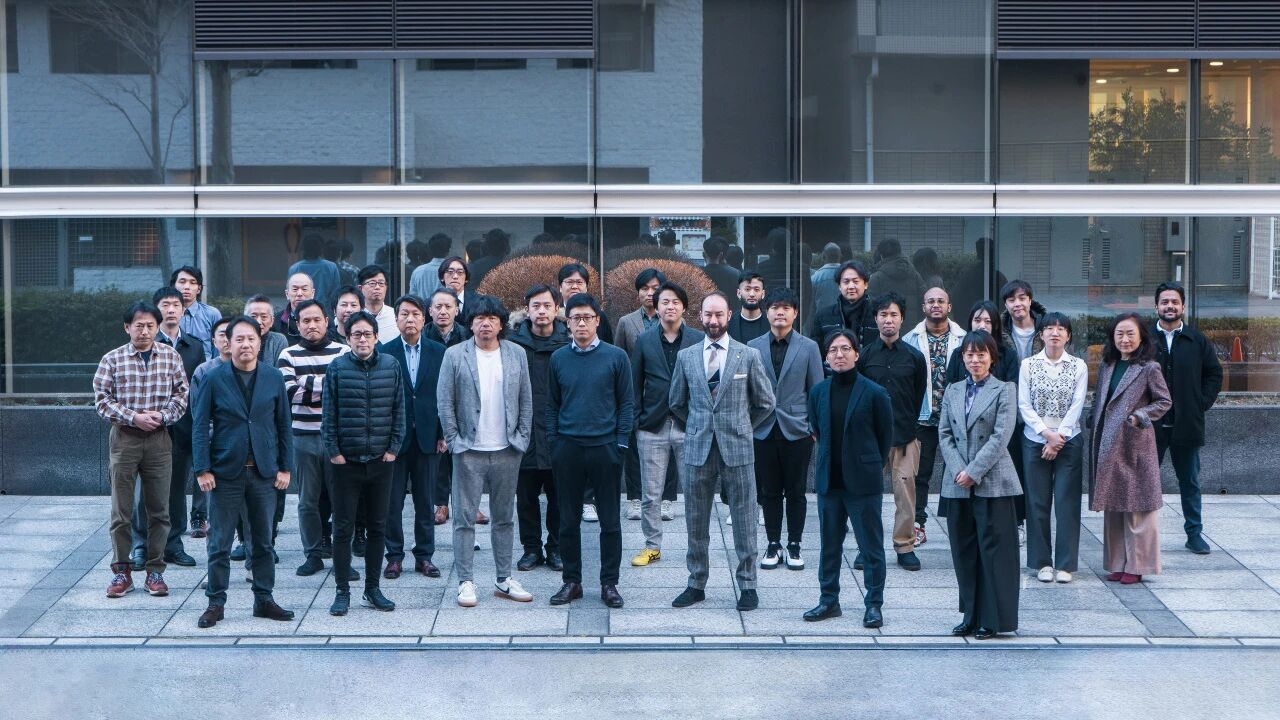
Changan has built its design system across three layers: processes, standards, and organization. It has established a comprehensive digital design workflow, transforming subjective aesthetic judgment into actionable evaluation criteria, and enabling cross-regional collaboration through its global network spanning five countries and nine locations. Only with a mature system can a brand truly secure its voice in design.
“When our aesthetic methodology becomes a reference for others, and we move from passively participating in industry standards to jointly shaping them, we will have truly taken our seat at the global design table.”
Adaptation: AI Enhances Efficiency, Humans Define Intent
AI significantly shortens the cycles for sketch iteration, surface optimization, CMF rendering, and regulatory verification, greatly improving design efficiency. However, AI-generated outputs tend to converge toward the average. A brand’s unique value lies precisely in creative expression that rises above this average.
“Machines are responsible for resemblance; humans are responsible for identity.”
Global Participation: Embracing the World, Expressing Eastern Aesthetics
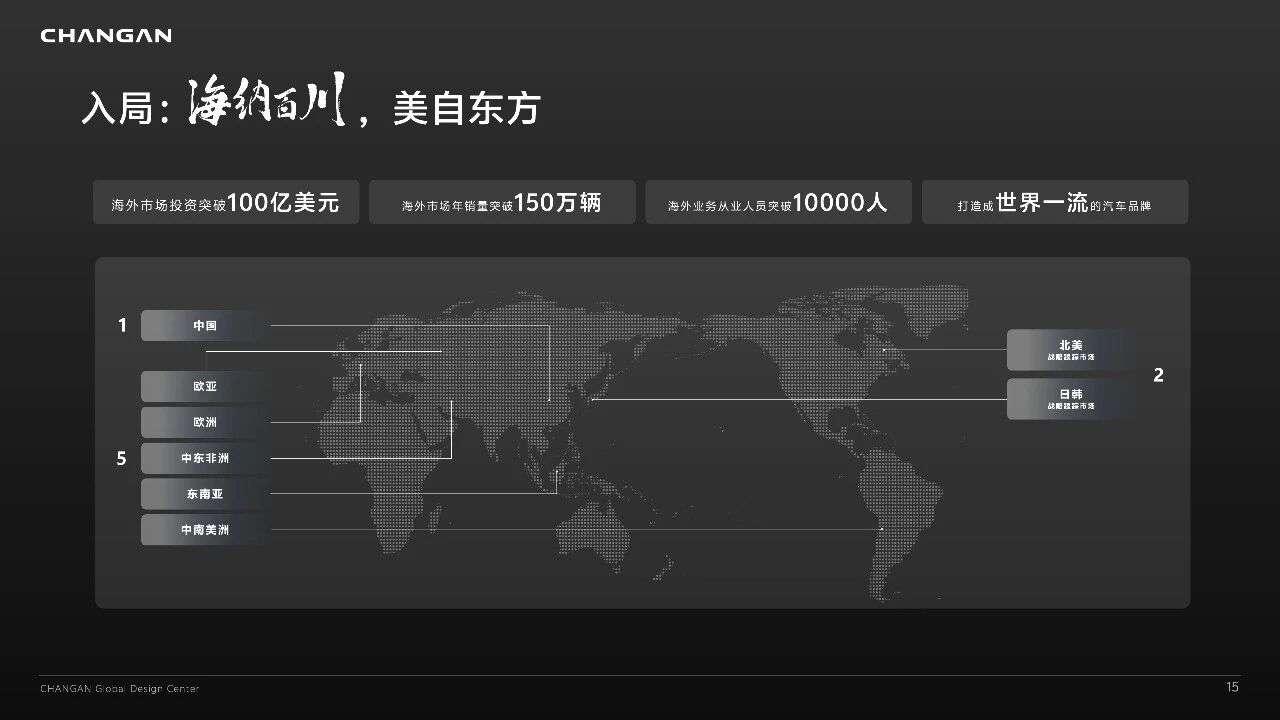
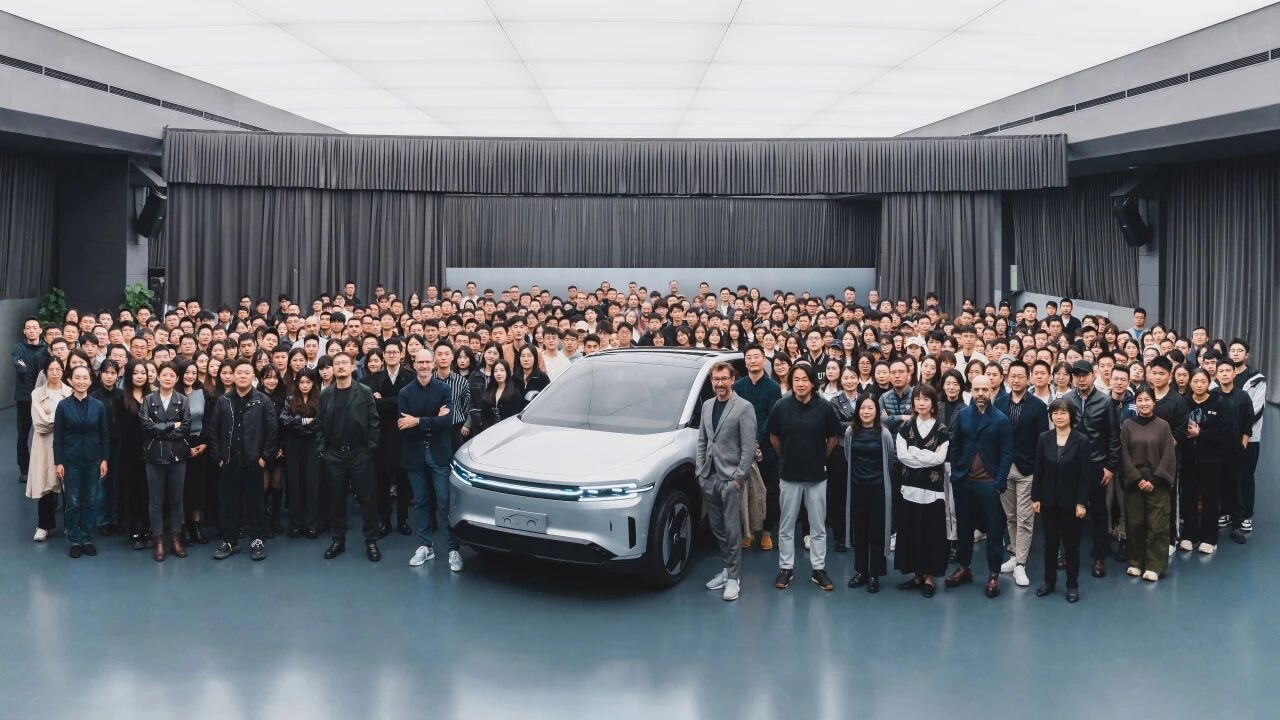
Changan continues to advance its global expansion. In 2025, its overseas sales reached 637,300 vehicles, with business covering 118 countries and regions, and it aims to reach 1.8 million overseas sales by 2030. Supported by nearly 1,000 designers across 39 countries, Changan does not simply stack overt Eastern symbols. Instead, it integrates the subtle, holistic essence of Eastern aesthetics into vehicle proportions, light and shadow, and surface forms, conveying its design philosophy through production vehicles.
“We are not in a hurry to explain our concepts outwardly. Instead, we cast our thinking into every real vehicle we build. This is Changan’s design card to the world.”

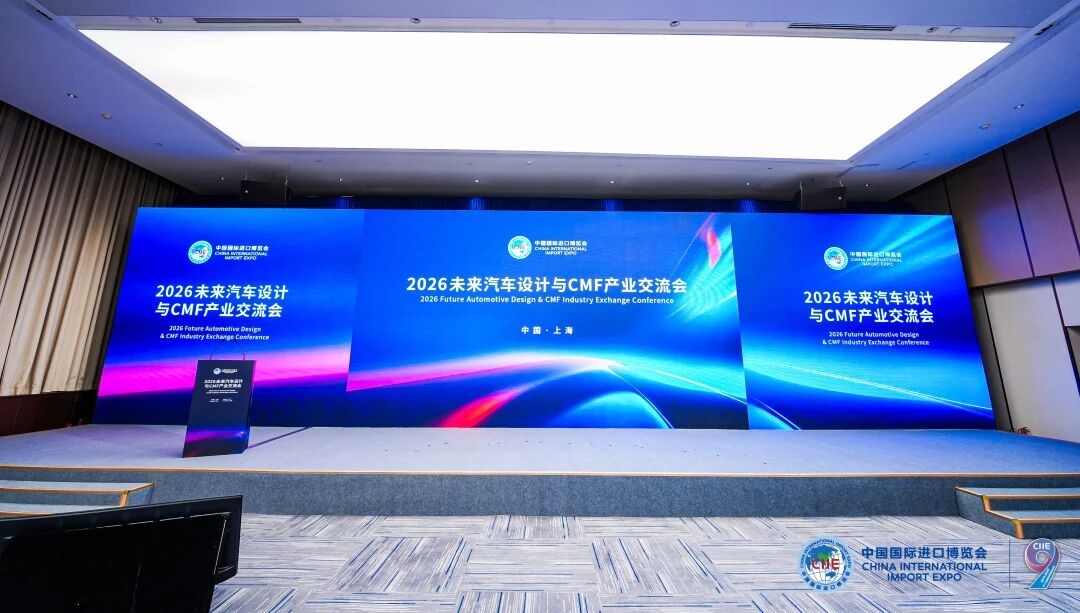
The 2026 Future Automotive Design & CMF Industry Exchange Conference took place on November 7 at the National Exhibition and Convention Center (Shanghai). As a professional industry gathering dedicated to Color, Materials, and Finishes (CMF), the event facilitated in-depth exchanges on automotive CMF innovation, material trends, and the practical mass production of surface craftsmanship.
If the CCDIS Summit articulated the "macro philosophy" of Chinese brands' global design power, then this exchange conference represented the "micro implementation" of that philosophy in the specific realms of color, materials, and surface finishes.
Addressing the industry's challenges regarding CMF innovation, material trends, and manufacturing feasibility, He Ying brought his strategic thinking on "system-building" and "global participation" to the front lines of materiality and tactile experience. In his view, CMF serves as the most nuanced footnote to the "system of standards." He posited that only when aesthetics can be clearly described—allowing for the establishment of evaluation criteria for color, material, tactile feel, and even the sound of a closing door—can design be effectively inherited and iterated upon.
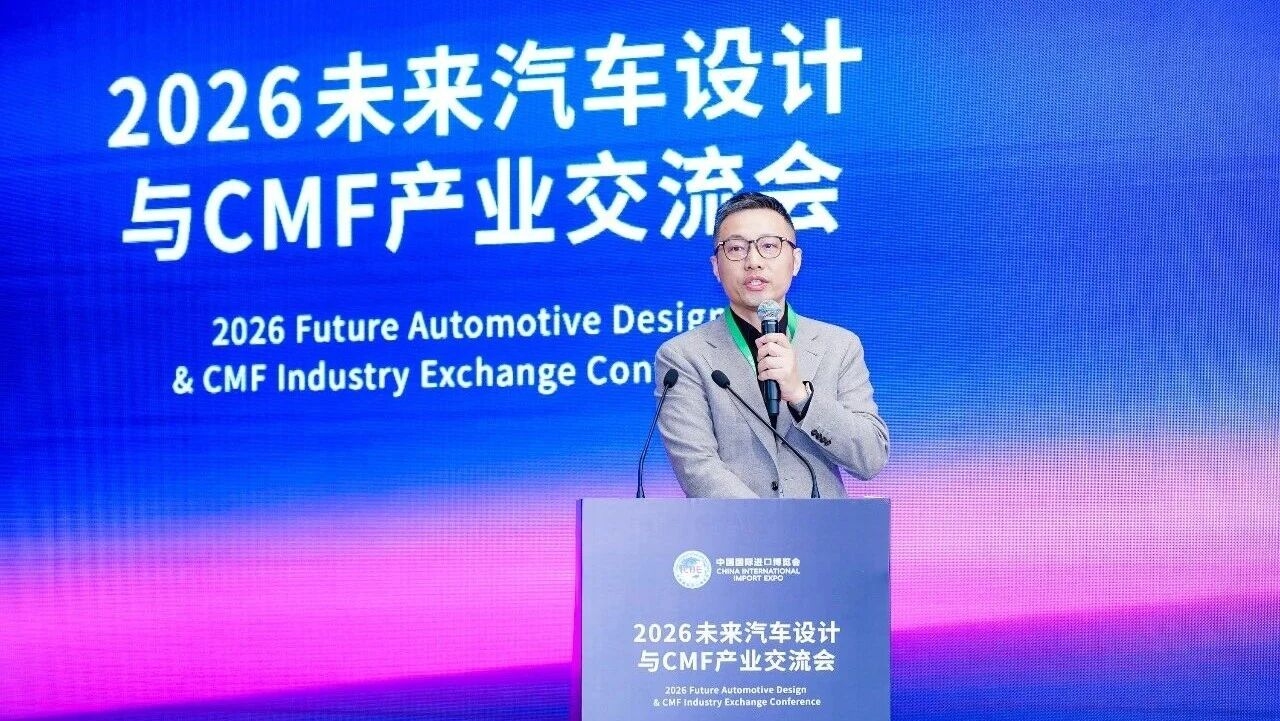
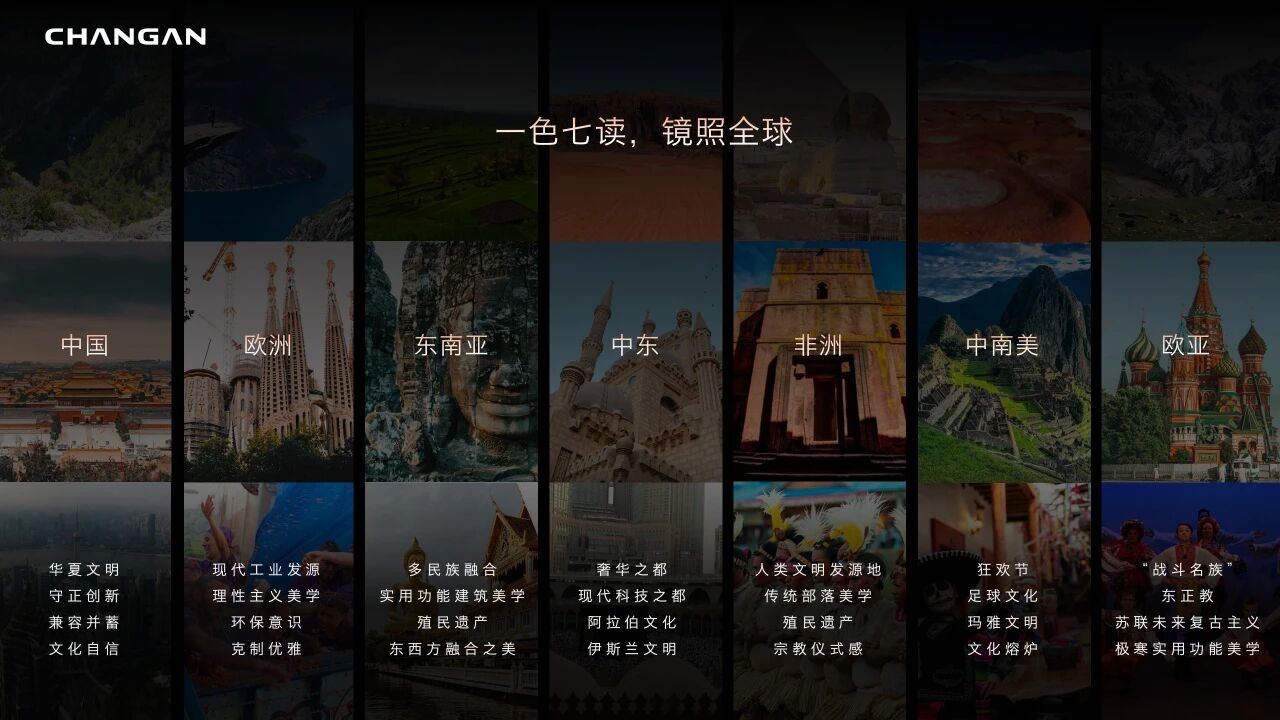
Observing the Landscape: When Cars Go Global, Colors Must Too
Exporting cars and exporting colors are not the same thing—wherever the cars are sold, the colors must be thoughtfully considered for those markets. Changan has built a "Global Color Map" covering seven major overseas regions, revealing a key fact: the same color can be interpreted in seven different ways across seven markets.
Understanding the User: Segmentation and Finding Common Ground in Diversity
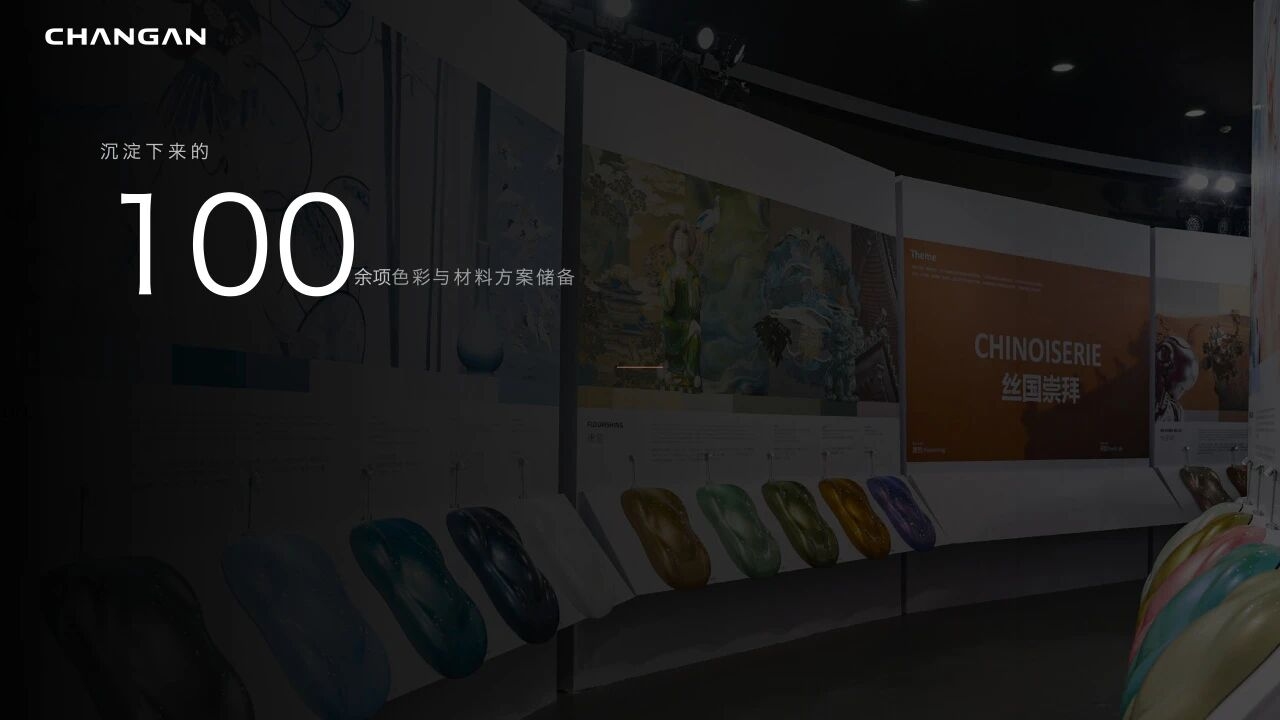
Differences are often more about people than about culture. Changan collaborates with local overseas teams to conduct in-depth research through focus groups, online interviews, and physical sample validation. By first segmenting user personas across the seven regions and then making regional adjustments, they have ultimately compiled a reserve of over 100 annotated color and material proposals.
Putting into Practice: From Research to Reality
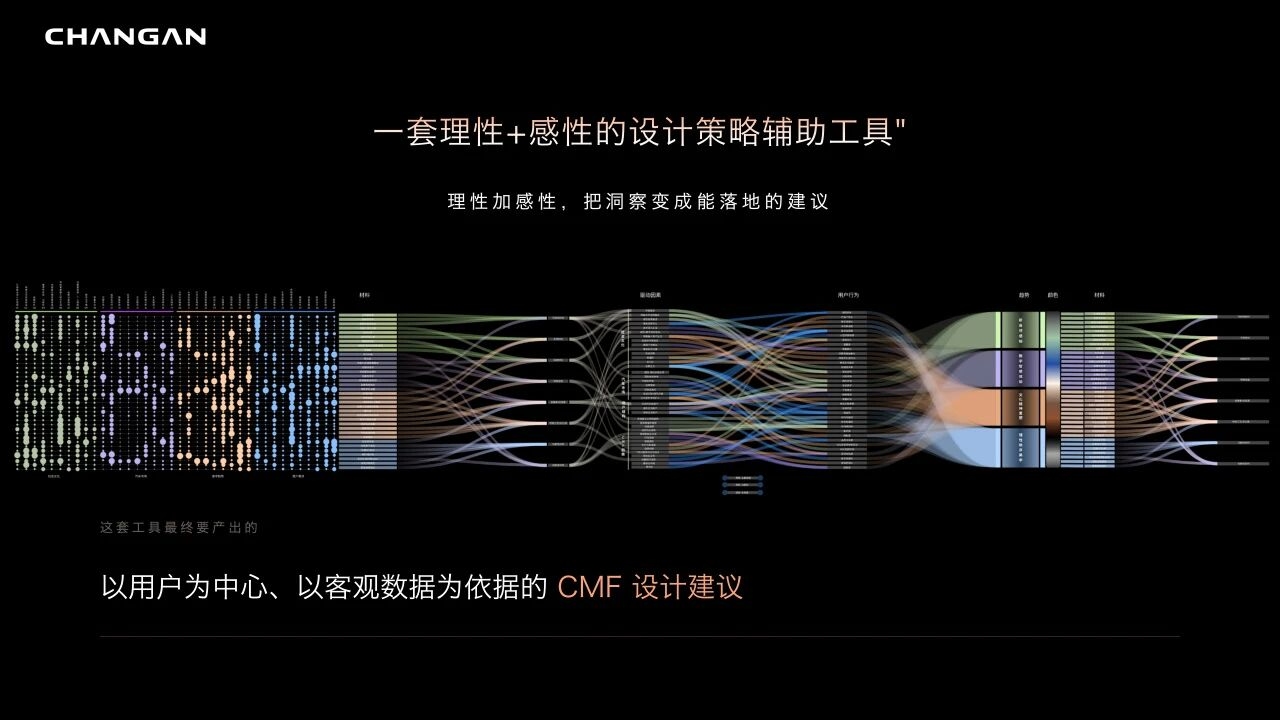
Every step from color swatches to car paint, and finally to mass production in tropical markets, has the potential to overturn an aesthetic judgment. Changan employs a "rational + emotional" strategy supported by tools: integrating data and matching solutions with AI assistance, followed by manual calibration by senior designers.
Going Far: Harmony in Diversity, Adaptation to Needs
He Ying summarized this approach in one sentence: "Global commonality, necessary adaptation, and regional innovation." Commonality ensures scale and recognizability; adaptation shows respect for the market; and regional innovation builds long-term brand memory.

Returning to the ecosystem described at the beginning: no two trees in nature are exactly alike, and a great car does not need every component to be uniform—what matters is that each part works in harmony with the others.
Across two days and two keynote addresses, He Ying presented Changan’s design identity, woven through the five threads of self-establishment, self-strengthening, system-building, adaptation, and global participation. It is a narrative that no longer merely answers questions from the world, but has begun to pose its own.
As Chinese design moves from meeting standards to defining them, from exporting products to exporting an integrated industrial chain, and from an “East of symbols” to an “East of atmosphere,” Changan is using the power of design to build a true symbiosis with the global automotive industry.
 ×


 Hot News


 EN