EN


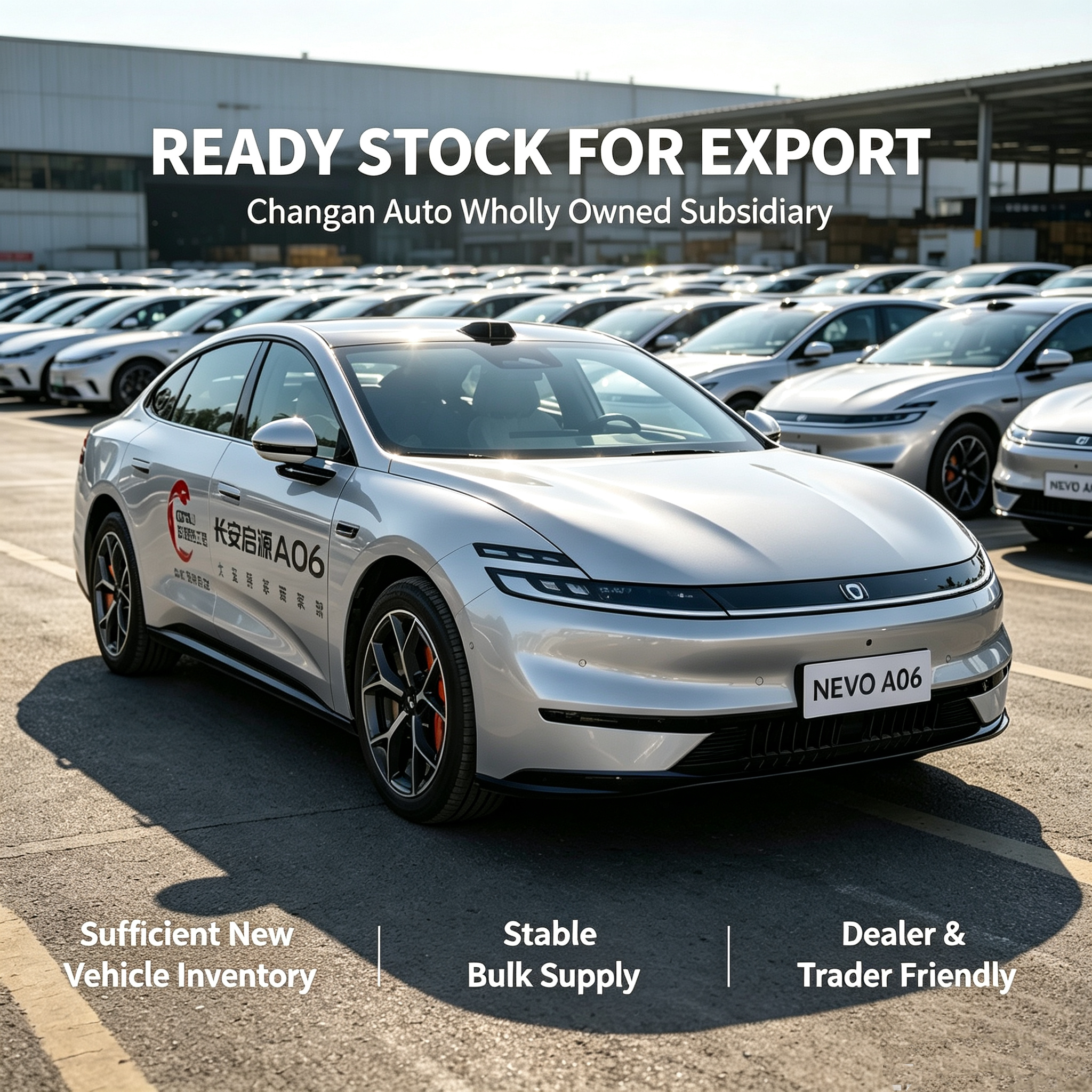
Vehicle design plays an important role in determining driving comfort, fuel economy, and everyday usability. A changan sedan for export must balance passenger comfort with practical performance and efficient operation to meet the expectations of international markets. Achieving this balance requires coordinated engineering across the vehicle's interior layout, powertrain, suspension, steering system, and aerodynamic structure. By integrating these elements, manufacturers can improve the driving experience while managing energy consumption and operating costs.

For international automotive distributors and vehicle buyers, comfort and efficiency are important considerations when evaluating a sedan. A well-designed changan sedan for export should provide a comfortable cabin, predictable handling, responsive power delivery, and reasonable fuel consumption under typical driving conditions. These qualities depend on the interaction between individual vehicle systems rather than any single component. Understanding the engineering behind these systems helps buyers evaluate vehicle suitability for different markets and driving environments.
Ergonomic Design and Passenger Comfort
Seat Design and Interior Space Optimization
Seat design directly affects comfort during daily commuting and long-distance travel. Seat cushioning, backrest contours, lumbar support, and adjustment ranges influence how comfortably drivers and passengers can maintain their seating positions. A suitable seating arrangement can help reduce fatigue while providing the support needed for different body types and driving preferences.
Interior space is equally important in a changan sedan for export. Cabin width, legroom, headroom, and seat positioning affect passenger comfort, while the placement of storage compartments and frequently used controls influences everyday convenience. A well-planned interior allows occupants to access essential functions easily without unnecessary movement or distraction.
Vehicle designers must balance passenger space with exterior dimensions, structural requirements, and overall vehicle weight. Efficient packaging can make better use of the available cabin area without unnecessarily increasing the vehicle's size. For export markets, this balance is particularly relevant because parking conditions, passenger requirements, and common driving environments vary between regions.
Climate Control and Cabin Noise Management
Climate control contributes to passenger comfort by regulating cabin temperature and airflow. Heating, cooling, and ventilation systems help maintain a suitable interior environment across different weather conditions. Their effectiveness depends on the vehicle's equipment, cabin design, and thermal management capabilities.
Climate control also affects energy consumption. In conventional petrol vehicles, air conditioning places an additional load on the powertrain. In electric vehicles, heating and cooling can consume battery energy and influence driving range. Efficient system design therefore needs to balance passenger comfort with the energy required to maintain the desired cabin temperature.
Noise, vibration, and harshness management is another important aspect of a changan sedan for export. Road noise, wind noise, and powertrain vibrations can affect the perceived quality of the driving experience. Body structure, door sealing, acoustic insulation, tires, and suspension components all influence cabin noise levels. Effective integration of these elements can create a more comfortable environment during urban driving and highway travel.
Powertrain Engineering and Fuel Efficiency
Engine Performance and Fuel Consumption
The powertrain is central to the relationship between driving performance and fuel economy. In a conventional petrol sedan, engine design, combustion efficiency, power output, and control calibration influence acceleration and fuel consumption. Engineers aim to deliver sufficient power for everyday driving while avoiding unnecessary energy use under typical operating conditions.
Driving conditions also affect engine efficiency. Frequent acceleration, heavy traffic, prolonged idling, and sustained high speeds can increase fuel consumption. A changan sedan for export should therefore be evaluated according to its specific engine configuration and published consumption figures, with consideration given to the conditions under which those figures were obtained.
Vehicle weight, tire rolling resistance, and aerodynamic drag also affect the energy required to move the car. Reducing unnecessary weight can lower the energy needed for acceleration, while suitable powertrain calibration helps deliver power according to driving demand. These engineering decisions must be balanced against safety, durability, and everyday usability.
Transmission and Drivetrain Coordination
Transmission design influences acceleration, engine speed, and driving smoothness. In vehicles equipped with automatic transmissions, gear ratios and shift strategies determine how engine power is delivered to the wheels. Appropriate calibration can provide responsive acceleration when required while maintaining suitable engine speeds during steady cruising.
The drivetrain must also work effectively with the engine and vehicle controls. Smooth power delivery can improve everyday drivability, while appropriate transmission operation can help manage fuel consumption across different driving conditions. The specific transmission type and available features depend on the individual vehicle configuration.
For international buyers, comparing verified engine and transmission specifications is more useful than assuming that every changan sedan for export uses the same drivetrain technology. Power output, transmission configuration, fuel consumption, and maintenance requirements should all be considered when evaluating a vehicle for a particular market.
Aerodynamic Design and Vehicle Weight Management
Body Shape and Aerodynamic Resistance
Aerodynamic design affects how efficiently a vehicle moves through the air. As driving speed increases, air resistance becomes a more significant factor in energy consumption. Body proportions, frontal area, underbody airflow, and the shape of the rear section all influence aerodynamic drag.
Sedan design provides opportunities to refine airflow around the roofline, windows, and rear body. Engineers must also consider cooling requirements, exterior styling, visibility, and practical packaging. The objective is to reduce unnecessary resistance without compromising other essential vehicle functions.
For a changan sedan for export, aerodynamic efficiency can contribute to lower energy requirements during highway driving. However, the actual benefit depends on the complete vehicle design, powertrain, speed, and operating conditions. Published fuel economy or energy consumption figures provide a more reliable basis for comparison than exterior appearance alone.
Lightweight Construction and Structural Integrity
Vehicle mass influences acceleration, braking, handling, and energy consumption. Reducing unnecessary weight can improve efficiency, but weight reduction must not compromise structural strength, crash protection, or durability. Engineers therefore consider material selection, component geometry, and structural integration when developing the vehicle body and chassis.
A carefully designed structure can balance strength and weight while providing the support required for suspension systems, powertrain components, and passenger protection. Weight distribution also affects handling and vehicle stability, making it an important consideration alongside total mass.
The combined effect of structural design and aerodynamic refinement helps determine how much energy a vehicle requires during everyday operation. For distributors comparing a changan sedan for export with other vehicle options, verified weight, dimensions, and consumption data can help establish whether the model meets the requirements of the intended market.
Suspension, Steering, and Driving Stability
Suspension Calibration and Ride Comfort
Suspension engineering affects ride comfort, handling, and tire contact with the road. Springs, dampers, suspension geometry, and tires work together to manage body movement when a vehicle encounters uneven surfaces, bumps, and cornering forces. The objective is to provide sufficient comfort without sacrificing predictable vehicle control.
A suspension system that is too firm may transmit more road impact into the cabin, while insufficient body control can affect stability during cornering and sudden maneuvers. Engineers must therefore balance ride quality and handling according to the vehicle's weight, dimensions, tire characteristics, and intended driving environment.
Suspension performance can also influence tire wear and rolling resistance. Appropriate wheel alignment and tire selection help maintain stable handling and efficient operation. The exact suspension architecture varies by model, so buyers should consult the relevant specifications instead of assuming that every changan sedan for export uses the same arrangement.
Steering Response and Maneuverability
Steering design influences how easily a driver can control a vehicle at different speeds. Electric power steering can reduce the effort required during parking and low-speed maneuvers while providing suitable assistance during highway driving. Steering calibration, wheel alignment, tire grip, and suspension geometry all contribute to the overall driving experience.
Good maneuverability is particularly useful in crowded urban environments, where drivers frequently negotiate narrow streets, parking spaces, and intersections. At higher speeds, predictable steering response helps drivers maintain directional control. These characteristics contribute to driving comfort by reducing the physical effort and uncertainty associated with vehicle operation.
When evaluating a changan sedan for export, buyers should consider steering feel alongside suspension performance, braking capability, and vehicle dimensions. The combined performance of these systems determines how the vehicle responds to everyday driving demands.
Changan Vehicle Design Across Different Body Styles
Qiyuan Q05 and Qiyuan Q06 as SUV Comparisons
The Changan Qiyuan Q05 and Qiyuan Q06 are SUV models rather than sedans. They provide additional examples of how whole-vehicle engineering adapts to different body styles. Compared with sedans, SUVs generally have different body proportions, seating arrangements, cargo requirements, and packaging considerations, which influence their aerodynamic design, weight distribution, and energy consumption.
Although both SUVs and sedans must balance comfort and efficiency, their design priorities can differ. A sedan's lower body profile can support a different approach to aerodynamic refinement, while an SUV may place greater emphasis on passenger access, seating position, and cargo flexibility. The actual performance of either body style depends on its specific engineering and powertrain configuration.
For international buyers comparing Changan vehicles, the Qiyuan Q05 and Qiyuan Q06 can serve as separate SUV reference points when considering passenger space, practicality, and operating efficiency. They should not be treated as sedan models. A changan sedan for export should instead be assessed according to its own body design, technical specifications, and intended use.
Evaluating Comfort and Efficiency for Export Markets
Adapting to Different Roads and Climates
Export vehicles may operate in regions with different temperatures, road surfaces, traffic patterns, and journey lengths. Hot weather can increase cooling demand, cold conditions can affect powertrain operation, and uneven roads can place additional demands on suspension components and tires. These environmental differences influence the balance between comfort, efficiency, and durability.
For distributors evaluating a changan sedan for export, destination-market compatibility is an important part of vehicle selection. Buyers should confirm the available powertrain, equipment, safety features, applicable regulations, and servicing requirements for the specific export version. Local driving patterns should also be considered when assessing expected fuel consumption and everyday usability.
Assessing Total Ownership Costs
Fuel consumption is only one part of the overall cost of operating a vehicle. Maintenance schedules, tire replacement, insurance, spare parts availability, warranty coverage, and local servicing arrangements can all affect total ownership costs. These considerations are particularly important for distributors, fleet operators, and commercial buyers planning to use vehicles over an extended period.
A comprehensive evaluation should combine verified technical specifications with practical operating requirements. Buyers can compare comfort features, fuel consumption, safety equipment, maintenance needs, and after-sales support to determine whether a vehicle is suitable for its target market.
By considering these factors together, international buyers can make more informed decisions about a changan sedan for export. The most suitable vehicle is one whose design, performance, efficiency, and ownership requirements align with the expectations of its intended customers.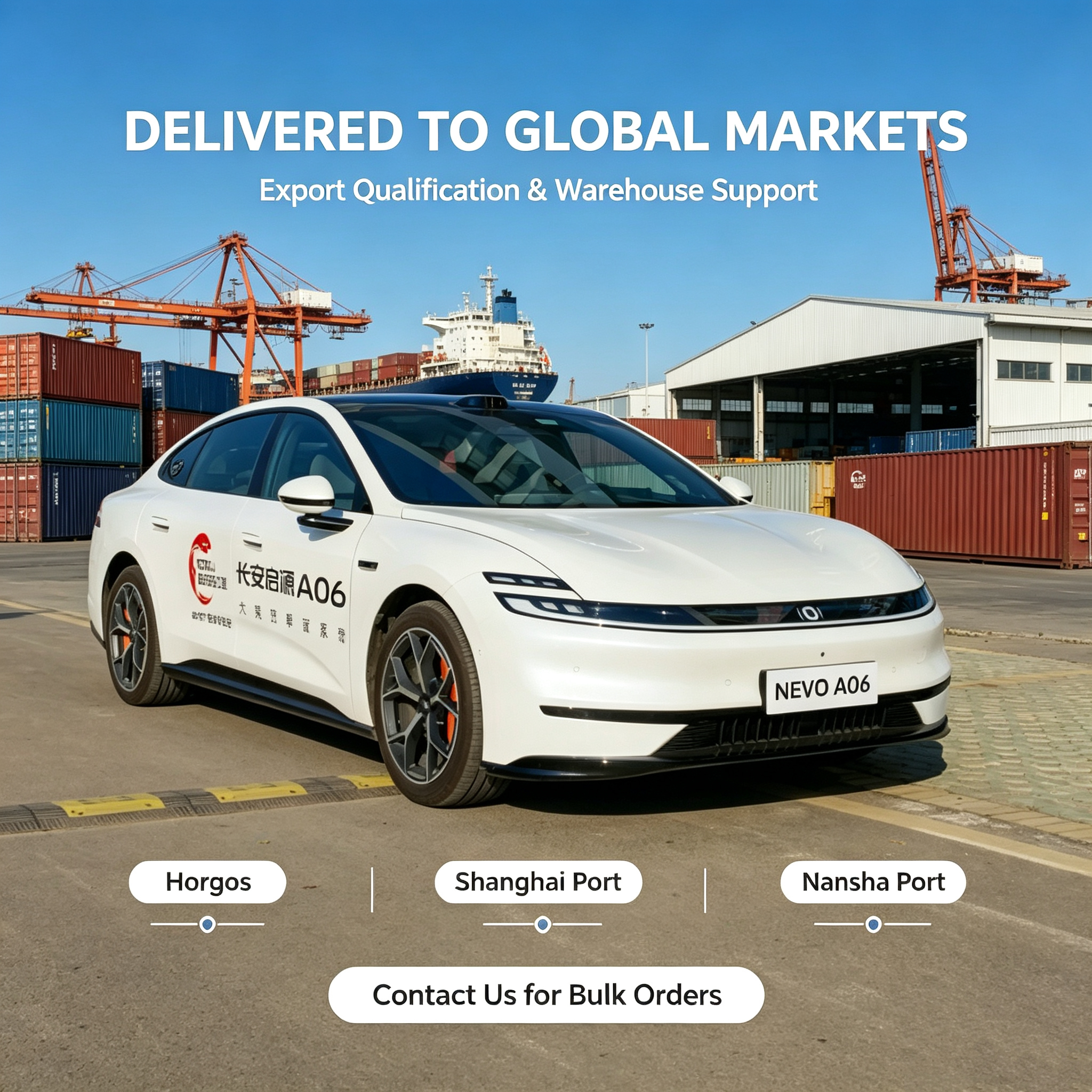
FAQ
How Does Changan Sedan Design Improve Driving Comfort?
Driving comfort depends on seat ergonomics, interior space, climate control, cabin noise management, suspension calibration, and steering response. These elements work together to reduce fatigue and provide predictable vehicle behavior. The specific comfort features available depend on the model, trim level, and destination-market configuration.
How Does Vehicle Design Improve Fuel Efficiency?
Fuel efficiency is influenced by powertrain calibration, transmission operation, vehicle weight, aerodynamic resistance, and tire rolling resistance. Coordinating these elements can reduce unnecessary energy consumption while maintaining practical driving performance. Actual results depend on the vehicle configuration, driving conditions, and testing standards used to measure consumption.
What Should Buyers Consider When Choosing a Changan Sedan for Export?
Buyers should review the vehicle's technical specifications, powertrain, fuel consumption, passenger space, comfort features, safety equipment, and maintenance requirements. Destination-market regulations, warranty coverage, and parts availability should also be confirmed. Evaluating these factors together helps distributors select a changan sedan for export that matches their customers' needs and local operating conditions.