EN


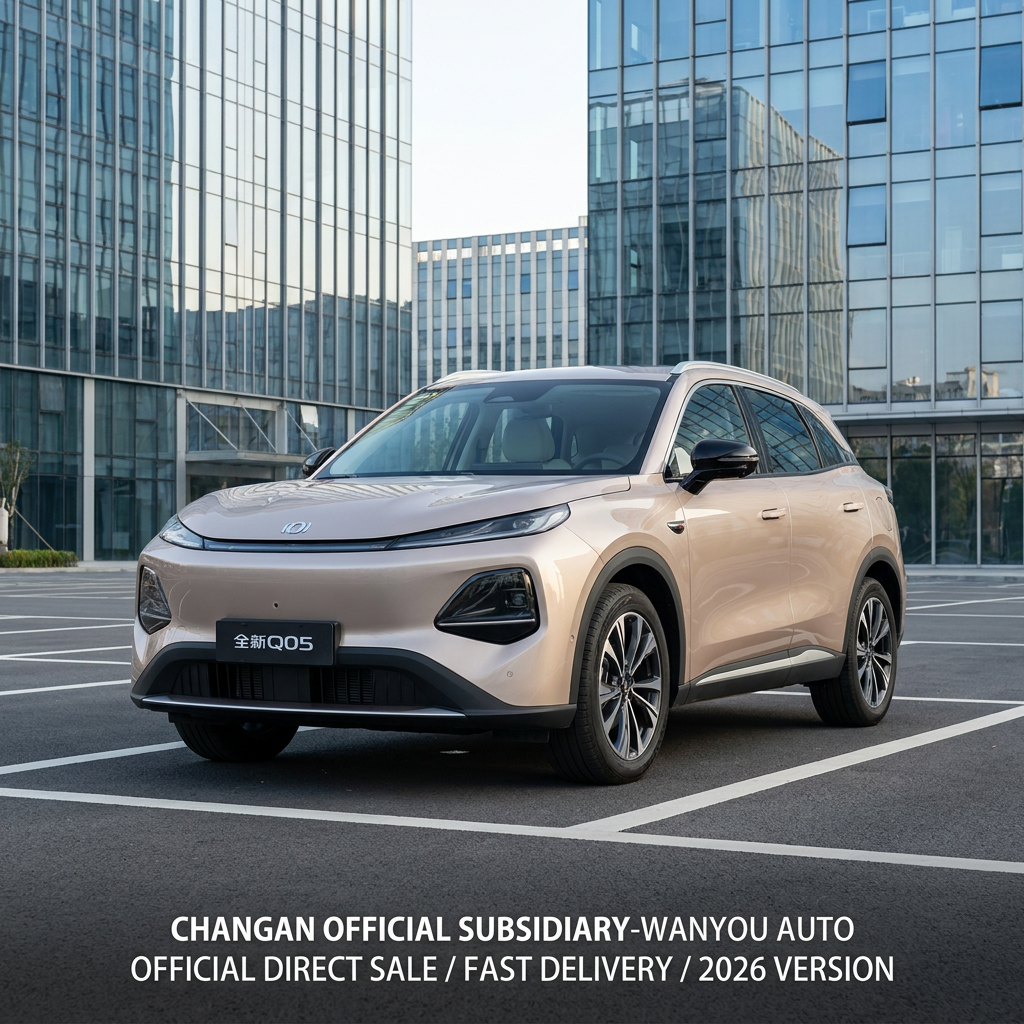
Modern automotive technology brings together powertrain engineering, vehicle safety, intelligent controls, and passenger comfort. A changan sedan for export must balance these technologies with practical operating costs and the requirements of its destination market. Understanding the technology behind sedan design helps international buyers and automotive distributors evaluate vehicle performance, safety equipment, connectivity, and everyday usability. The overall driving experience depends on how these systems work together rather than on any single feature.
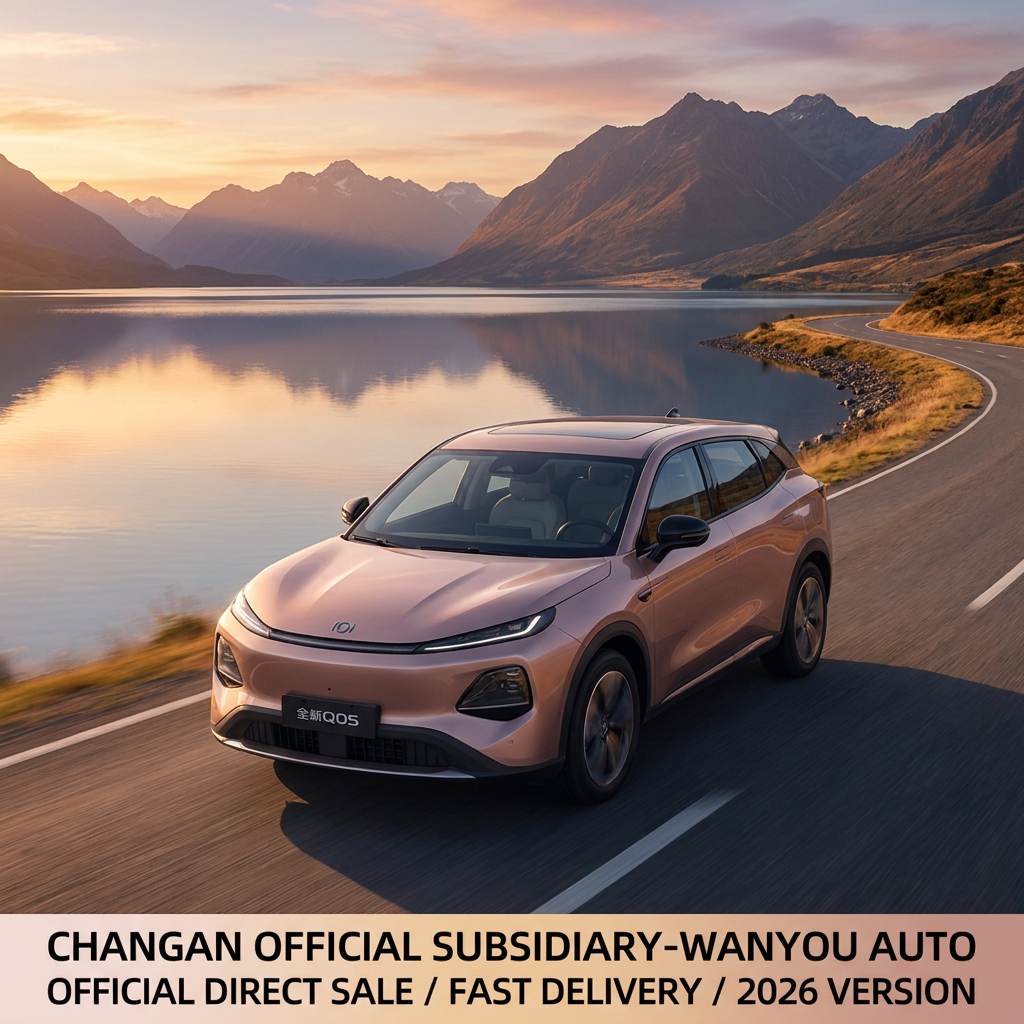
For international buyers, evaluating a changan sedan for export involves more than reviewing exterior styling or engine output. Powertrain configuration, electronic control systems, occupant protection, infotainment, and energy efficiency all influence the vehicle's suitability for different markets. Equipment can vary by model, trim level, and export specification, so buyers should verify the technical details of the particular vehicle rather than assume that every model offers identical features.
Engine and Powertrain Technology
Engine Design and Combustion Efficiency
Engine technology influences acceleration, fuel consumption, and emissions in conventional petrol sedans. Factors such as combustion design, fuel delivery, valve operation, and engine management affect how efficiently fuel is converted into useful power. Engineers coordinate these elements to provide responsive performance while managing fuel consumption under different driving conditions.
Electronic engine management systems monitor operating conditions and adjust relevant parameters according to engine requirements. Depending on the specific powertrain, technologies such as electronic fuel injection and variable valve timing can contribute to combustion control and efficiency. Their implementation and benefits vary by engine design, so the exact specifications of a changan sedan for export should be confirmed for the intended market.
Real-world fuel consumption also depends on traffic, driving style, vehicle loading, temperature, and road conditions. For distributors comparing vehicle options, published consumption figures and verified engine specifications provide a more reliable basis for evaluation than general claims about efficiency.
Transmission and Electronic Drivetrain Control
Transmission technology determines how power is delivered from the engine to the wheels. Depending on the model, a sedan may use a manual or automatic transmission, with different gear ratios and control strategies affecting acceleration, cruising efficiency, and driving smoothness. Appropriate powertrain calibration helps match engine output to changing road conditions and driver demands.
Electronic control systems also contribute to vehicle stability and drivability. Depending on the equipment specification, functions such as electronic stability control and traction control can help manage wheel slip and maintain directional stability in certain driving situations. These systems complement the mechanical drivetrain and braking components rather than replacing the need for appropriate tires and safe driving practices.
When evaluating a changan sedan for export, buyers should review the actual transmission type, power output, and available electronic control features. This model-specific approach helps avoid assuming that every vehicle in a manufacturer's lineup uses the same technology.
Vehicle Safety and Driver Assistance Technology
Body Structure and Occupant Protection
Vehicle safety begins with structural design. The body structure must provide a protective passenger compartment while managing collision forces through appropriately engineered load paths and deformation zones. Material selection, structural reinforcement, and the arrangement of major body components all influence the vehicle's ability to protect occupants during an impact.
Passive safety equipment may include seat belts, airbags, and other occupant protection systems, depending on the model and trim level. These components are designed to work together with the vehicle structure to reduce injury risk during certain collision scenarios. Their availability and configuration should be checked against the relevant export-market specifications.
For international distributors sourcing a changan sedan for export, safety evaluation should also consider applicable regulations, certification documentation, and model-specific crash-test information where available. Confirming the actual equipment configuration is more reliable than assuming that all vehicles offer the same number of airbags or identical structural features.
Active Safety and Driver Assistance Systems
Active safety technologies are designed to help drivers maintain control and respond to potential hazards. Depending on the vehicle configuration, available functions may include anti-lock braking, electronic stability control, parking assistance, or selected driver assistance features. Each system has a specific purpose and operates within defined technical limitations.
More advanced driver assistance systems may use cameras, radar, or other sensors to monitor the vehicle's surroundings. Depending on the model, available functions can include lane departure warnings, adaptive cruise control, or blind-spot monitoring. These features should not be assumed to be standard across the entire sedan lineup, and their availability may differ between domestic and export versions.
For buyers assessing a changan sedan for export, it is important to distinguish between standard safety equipment and optional or market-specific driver assistance technologies. The vehicle's equipment list and official documentation should be checked before procurement to ensure that the selected configuration meets the requirements of its intended market.
Intelligent Interior and Connectivity Technology
Climate Control and Cabin Environment
Interior technology contributes to comfort by managing temperature, airflow, and the cabin environment. Climate control systems help maintain suitable conditions as outside temperatures change, while ventilation and filtration systems can support cabin air quality. The available controls and filtration features depend on the vehicle's design and equipment level.
The efficiency of these systems also affects overall energy use. In conventional vehicles, air conditioning can increase the load on the engine. In electric vehicles, heating and cooling consume battery energy and may influence driving range. Engineers must therefore consider thermal comfort alongside powertrain efficiency and the energy requirements of the vehicle.
Other interior design considerations include seat adjustment, storage arrangements, display visibility, and the positioning of frequently used controls. A well-organized cabin can make everyday operation more convenient and help reduce unnecessary driver distraction.
Infotainment and Smartphone Connectivity
Infotainment systems bring together functions such as audio playback, vehicle information, navigation, and smartphone connectivity. Depending on the model, the interface may include a central display, physical controls, voice interaction, or supported smartphone connection protocols. These technologies can make information easier to access while improving convenience during everyday travel.
Connectivity requirements can vary between export markets because smartphone compatibility, navigation coverage, language support, and available online services differ by region. Buyers should verify which functions are supported by the specific vehicle and whether any services depend on local networks or software availability.
For international distributors, evaluating the infotainment system of a changan sedan for export should include interface usability, supported languages, connectivity options, and compatibility with local customer expectations. These details can be just as important for market suitability as the size of the display or the number of available functions.
Fuel Economy and Emissions Technology
Emissions Control and Regulatory Compliance
Emissions control technology helps conventional petrol vehicles meet applicable environmental requirements. Depending on the engine and destination market, systems may include catalytic converters, oxygen sensors, and electronic engine management controls. Their combined operation helps regulate combustion and reduce harmful exhaust emissions.
Different markets apply different emissions standards and testing procedures. A vehicle approved for one market should not automatically be assumed to satisfy the requirements of another. Buyers sourcing a changan sedan for export should confirm the relevant certification, emissions documentation, and powertrain specification for the intended destination.
Regulatory compliance also depends on the complete vehicle configuration and the applicable rules at the time of import. Verifying documentation before shipment can help distributors identify potential compliance issues and ensure that the selected vehicle is appropriate for its target market.
Integrated Efficiency and Operating Costs
Vehicle efficiency results from the interaction of several engineering systems. Powertrain calibration, transmission operation, vehicle mass, aerodynamic resistance, and tire rolling resistance all affect fuel consumption. Efficient system integration can reduce unnecessary energy use while maintaining the performance and comfort required for everyday driving.
Fuel economy figures should be interpreted according to the testing method used and the conditions under which the vehicle operates. Urban traffic, highway speeds, passenger loading, and climate control use can produce different real-world results. Comparing vehicles under consistent measurement standards helps buyers make more meaningful assessments.
Operating costs extend beyond fuel consumption. Maintenance requirements, replacement parts, warranty coverage, and local servicing arrangements can influence the total cost of ownership. For distributors and fleet buyers, these factors help determine whether a changan sedan for export is suitable for long-term commercial use.
Changan Vehicle Technology Across Different Body Styles
Qiyuan Q05 and Qiyuan Q06 as SUV Examples
The Changan Qiyuan Q05 and Qiyuan Q06 are SUV models rather than sedans. They provide additional examples of how whole-vehicle engineering applies across different body styles. Although both SUVs and sedans require coordinated powertrain, safety, interior, and electronic systems, their body proportions, passenger packaging, and practical requirements differ.
These differences influence engineering priorities such as aerodynamic design, cabin space, vehicle weight distribution, and energy consumption. Comparing the Qiyuan Q05 and Qiyuan Q06 with a changan sedan for export can therefore help buyers understand how vehicle technology is adapted to different uses. However, the specifications and features of each model should be evaluated independently rather than transferred from one body style to another.
For procurement decisions, buyers should confirm the exact powertrain, safety equipment, infotainment features, and destination-market configuration of each vehicle. This approach provides a clearer understanding of the technology available without treating the SUV models as part of the sedan category.
Evaluating Technology for International Markets
Model Specifications and Market Compatibility
A vehicle's technology package must suit the requirements of its destination market. Climate, road conditions, fuel availability, driving habits, connectivity requirements, and local regulations can all influence vehicle suitability. Features that are important in one market may have different priorities in another.
When evaluating a changan sedan for export, international buyers should review the official specifications for the exact export version. Important details include the powertrain, transmission, safety equipment, emissions compliance, infotainment functions, warranty terms, and available after-sales support. Confirming these details helps reduce uncertainty during vehicle sourcing and import planning.
Technology, Reliability, and Long-Term Ownership
Advanced technology is most useful when it supports reliable everyday operation. Powertrain systems, electronic controls, safety equipment, and infotainment features must function together as part of the complete vehicle. Maintenance access, replacement parts availability, and service documentation are also relevant when evaluating long-term ownership requirements.
For commercial buyers, the most appropriate vehicle is not necessarily the one with the longest feature list. A balanced assessment considers the relevance of each technology, the reliability of supporting services, regulatory compatibility, and the total cost of ownership. This provides a practical basis for determining whether a changan sedan for export meets the expectations of its target customers.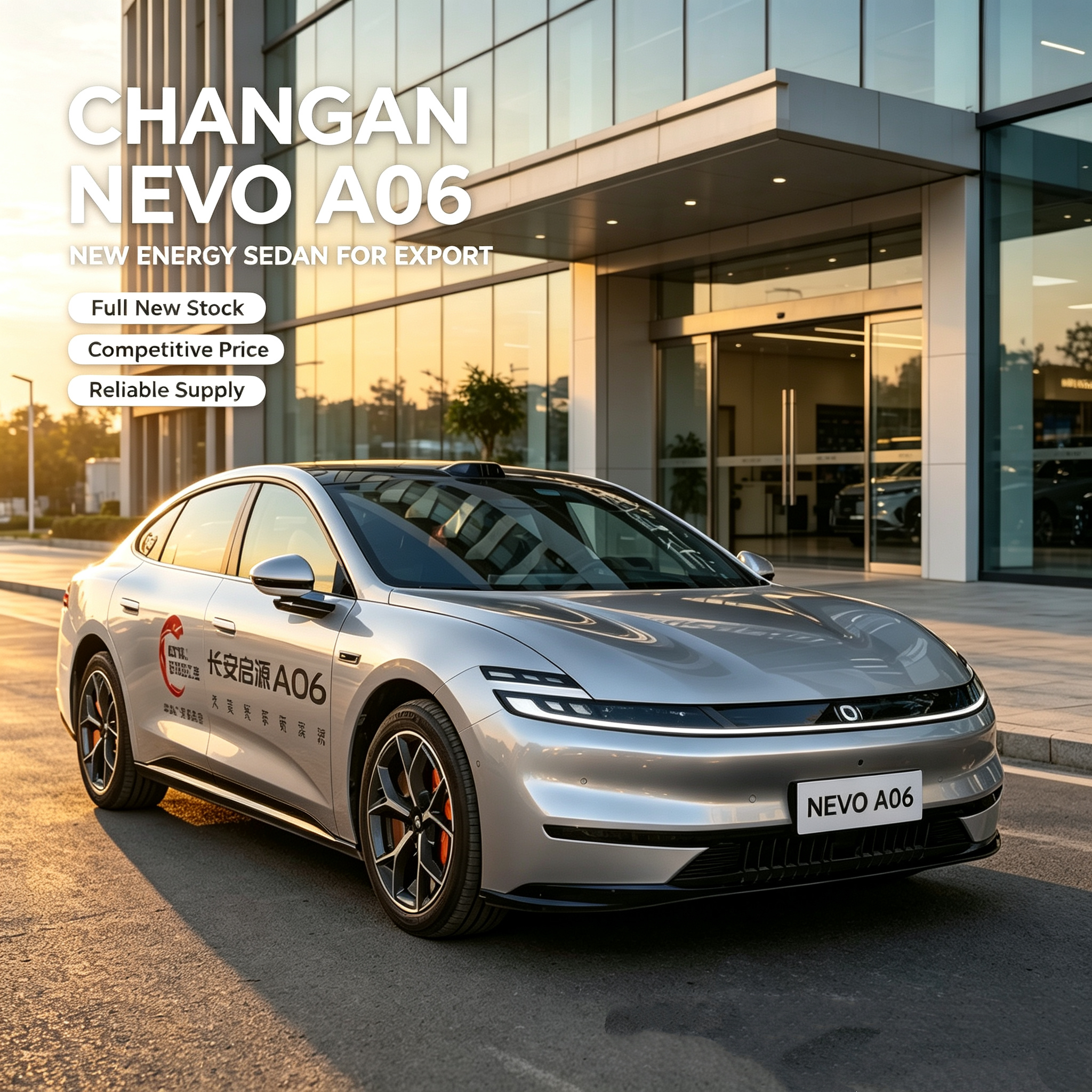
FAQ
What Technology Features Should Buyers Evaluate in Changan Sedan Models?
Buyers should evaluate the powertrain, transmission, structural safety, available driver assistance systems, climate control, infotainment, and emissions technology. The exact features vary by model, trim level, and destination market. Checking official specifications helps confirm which technologies are included in the selected changan sedan for export configuration.
How Does Technology Improve the Efficiency of a Changan Sedan?
Efficiency depends on powertrain calibration, transmission operation, vehicle weight, aerodynamic resistance, and tire characteristics. Electronic controls help coordinate relevant systems according to operating conditions, while emissions control technologies support compliance with applicable regulations. Actual fuel consumption depends on the vehicle configuration and driving environment.
Are the Technology Features the Same Across All Changan Export Models?
No. Technology features can differ according to the vehicle model, trim level, powertrain, and destination-market requirements. Safety equipment, driver assistance functions, infotainment compatibility, and emissions specifications should be verified for the exact vehicle being sourced. Buyers should use model-specific documentation when comparing a changan sedan for export with other vehicles in the lineup.