EN


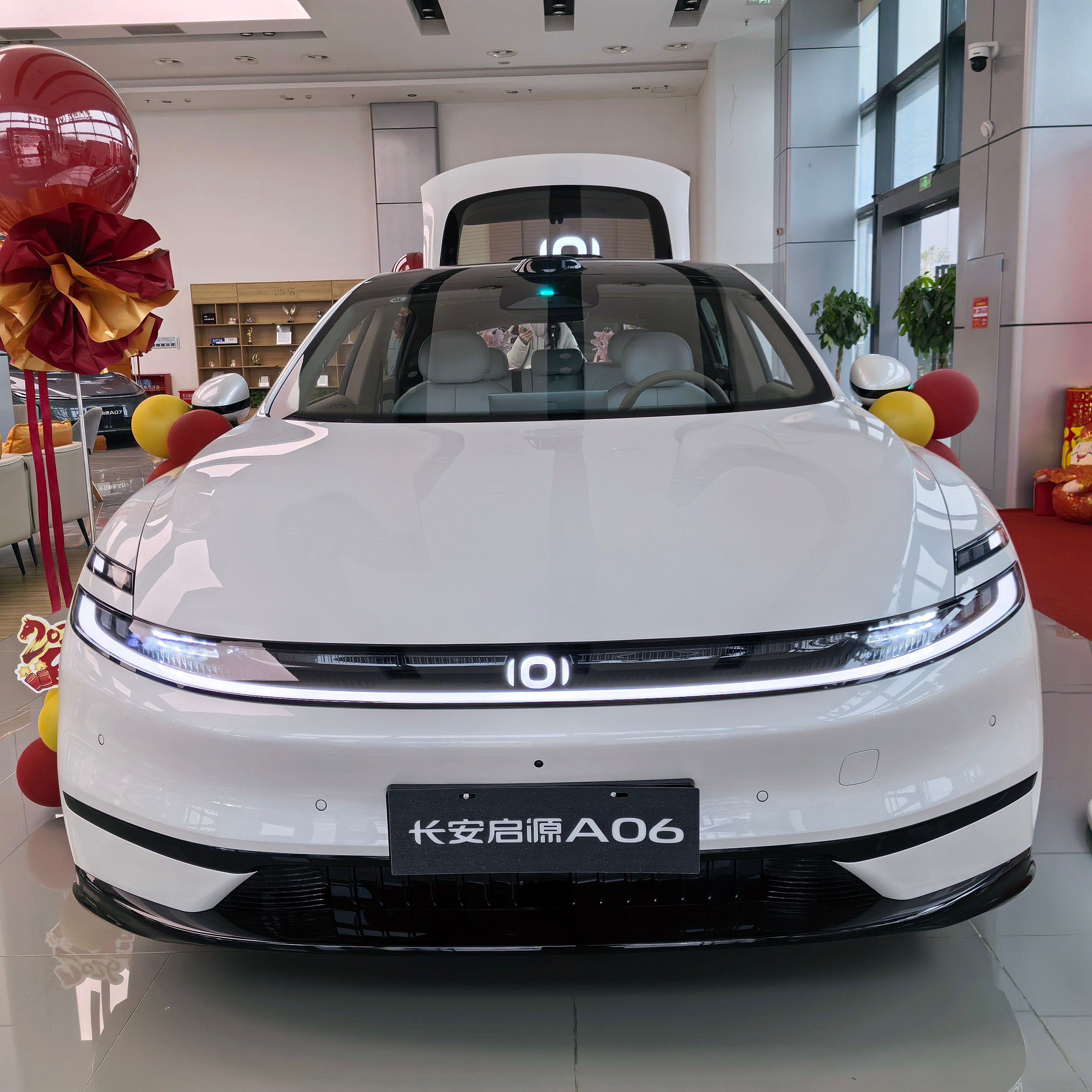
The global automotive market demands vehicles that balance driving performance, energy efficiency, and everyday practicality. A changan sedan for export must meet different customer expectations across international markets, from responsive acceleration and stable handling to comfortable driving and manageable operating costs. Achieving this balance requires coordinated engineering across the powertrain, vehicle structure, aerodynamics, chassis, and onboard systems. Changan's broader vehicle lineup, including the Qiyuan Q05 and Qiyuan Q06 SUVs, also illustrates how vehicle engineering approaches adapt to different body styles and driving requirements

For international vehicle buyers and automotive distributors, understanding the relationship between performance and economy helps evaluate a vehicle's suitability for different markets. A changan sedan for export needs to deliver a consistent driving experience while meeting the applicable requirements of its destination market. Rather than relying on a single engineering feature, manufacturers must coordinate power delivery, vehicle weight, aerodynamic characteristics, tire selection, and electronic control systems. These factors work together to influence driving response, energy consumption, passenger comfort, and long-term usability.
Powertrain Engineering and Energy Efficiency
Engine and Motor Technology for Different Driving Requirements
The powertrain is one of the most important factors affecting vehicle performance and operating economy. In a conventional petrol sedan, engine displacement, combustion efficiency, torque delivery, and engine control calibration influence acceleration and fuel consumption. Engineers must balance available power with the energy required to maintain speed under different driving conditions.
For a changan sedan for export, powertrain evaluation should consider both urban and highway driving. Frequent acceleration and braking place different demands on the engine compared with sustained highway cruising. Appropriate engine calibration and transmission matching can help provide smooth power delivery while limiting unnecessary fuel consumption. Actual performance and economy depend on the specific model, powertrain configuration, driving conditions, and destination-market specification.
Electrified vehicles approach this engineering challenge differently. Electric motors can deliver torque rapidly, while battery capacity, motor efficiency, vehicle mass, and energy management influence driving range. The Changan Qiyuan Q05 and Qiyuan Q06 provide examples of how these considerations apply to electric SUV development. Their configurations should be evaluated individually rather than treated as equivalent to conventional petrol sedans.
Transmission Matching and Power Delivery
Transmission design affects how effectively a vehicle converts available power into movement. In vehicles equipped with multi-speed transmissions, gear ratios and shift calibration influence acceleration, engine speed, and fuel consumption. A well-matched transmission can provide suitable response during overtaking while maintaining reasonable engine speeds during steady driving.
Electric vehicles use a different drivetrain arrangement. Many battery-electric models employ a single-speed reduction gear rather than a conventional multi-speed automatic transmission. This simpler arrangement supports the delivery of electric motor torque without the same gear-shifting requirements found in petrol-powered vehicles.
When evaluating a changan sedan for export, buyers should therefore examine the actual powertrain configuration instead of assuming that every model uses the same transmission technology. Comparing acceleration, energy or fuel consumption, and drivetrain specifications provides a more reliable basis for understanding the relationship between performance and economy.
Vehicle Weight and Aerodynamic Design
Structural Materials and Weight Management
Vehicle mass influences acceleration, braking, handling, and energy consumption. A heavier vehicle generally requires more energy to accelerate, particularly during repeated stop-and-go driving. However, reducing weight must not compromise structural strength, crash protection, or durability. Engineers must balance these requirements through appropriate material selection and structural design.
High-strength steel, optimized structural components, and carefully designed body panels can help manufacturers manage vehicle mass while maintaining the required structural characteristics. The distribution of mass also matters because it influences vehicle balance and handling response. These considerations are relevant to a changan sedan for export, particularly when the vehicle is intended for markets with different road surfaces, traffic conditions, and passenger-loading requirements.
Electric vehicles require additional attention to battery packaging and weight distribution. Battery systems contribute significantly to overall vehicle mass, so their placement and integration affect chassis design and driving dynamics. Engineers must account for these factors when developing electric SUVs such as the Qiyuan Q05 and Qiyuan Q06. The appropriate engineering solution depends on the vehicle platform, battery configuration, and intended use.
Aerodynamic Design and Energy Consumption
Aerodynamic resistance becomes increasingly important as vehicle speed rises. Body shape, frontal area, underbody airflow, and the management of air around the wheels all influence drag. Reducing unnecessary aerodynamic resistance can lower the energy required to maintain highway speeds and contribute to improved fuel economy or electric driving range.
Sedan body proportions can provide opportunities to refine airflow around the roofline, rear body, and underbody. However, aerodynamic performance depends on the complete vehicle design rather than appearance alone. Cooling requirements, wheel design, ground clearance, and other practical constraints must also be considered.
The same principle applies to electric SUVs, although their taller body structures and different proportions create different aerodynamic challenges. For buyers assessing a changan sedan for export, the most useful comparison is the actual aerodynamic and energy-consumption information available for the specific model. Published results should also be interpreted according to the relevant testing cycle, since laboratory ratings may differ from real-world driving performance.
Chassis Engineering, Handling, and Driving Comfort
Suspension Calibration and Vehicle Stability
Suspension design helps determine how a vehicle responds to uneven roads, cornering forces, and changes in vehicle load. Spring characteristics, shock absorber settings, suspension geometry, and tire specifications work together to influence ride comfort and handling stability. A suitable calibration must balance body control with the ability to absorb road imperfections.
For a changan sedan for export, this balance is particularly relevant when vehicles are used in markets with varying road conditions. Excessively firm settings can reduce comfort on rough surfaces, while insufficient body control can affect stability during cornering and rapid direction changes. Engineers therefore need to consider the intended vehicle class, tire characteristics, expected passenger load, and local driving environment.
Tire selection also affects rolling resistance, braking distance, grip, and noise. Lower rolling resistance can support better energy efficiency, but tire performance must still satisfy handling and safety requirements. A comprehensive evaluation considers these characteristics together instead of treating fuel economy or electric range as the only design objective.
Braking Systems and Energy Recovery
Braking performance is essential to vehicle safety and everyday drivability. Brake design must provide predictable deceleration, suitable thermal capacity, and reliable operation under different loading and road conditions. Tire grip, brake components, electronic stability systems, and vehicle mass all influence stopping performance.
Battery-electric and hybrid vehicles may also use regenerative braking to recover part of the kinetic energy normally lost as heat during deceleration. The recovered energy can be returned to the battery, helping improve overall energy utilization. The amount of energy recovered depends on the vehicle's powertrain, battery state, driving conditions, and regenerative braking calibration.
Regenerative braking is not identical across all vehicles, and it should not be assumed to be available in every changan sedan for export configuration. Buyers should verify the relevant specifications before comparing conventional, hybrid, and battery-electric models. A vehicle's overall efficiency depends on the interaction between its braking system, drivetrain, battery or fuel system, and operating environment.
How the Qiyuan Q05 and Qiyuan Q06 Illustrate Whole-Vehicle Engineering
Qiyuan Q05: Balancing Practicality and Electric Efficiency
The Changan Qiyuan Q05 illustrates how vehicle engineering can combine everyday practicality with electric driving. The model is positioned as a compact SUV rather than a sedan. Its overall design must accommodate passenger space, cargo capacity, battery packaging, driving comfort, and the energy requirements of daily travel.
For an electric vehicle, motor output and battery capacity are only part of the overall evaluation. Vehicle weight, aerodynamic resistance, tires, climate control, and driving habits also influence energy consumption and usable range. Buyers should compare specifications using the same testing cycle and confirm the configuration offered in their destination market.
The Qiyuan Q05 therefore provides a useful example of the relationship between whole-vehicle design and operating economy. Its value to a comparison of Changan vehicles lies in how its body style, electric powertrain, packaging, and intended use work together. These characteristics should be assessed separately from the engineering specifications of a conventional petrol sedan.
Qiyuan Q06: Integrating Performance and Electric Vehicle Design
The Changan Qiyuan Q06 is another example of Changan's whole-vehicle engineering, with an SUV body style and an electric powertrain. Its vehicle architecture brings together drivetrain performance, battery integration, chassis systems, passenger packaging, and electronic vehicle controls. These systems must function as a coordinated package to deliver predictable handling and practical everyday operation.
For electric vehicles, performance and efficiency are closely connected to the way the motor, battery, thermal management system, and vehicle controls operate together. Strong acceleration capability does not automatically translate into lower energy consumption. Engineers must consider the intended driving range, power requirements, cooling demands, and the conditions in which the vehicle will operate.
When comparing the Qiyuan Q06 with a changan sedan for export, buyers should account for the differences between SUV and sedan body styles. Vehicle dimensions, weight, seating and cargo requirements, and aerodynamic characteristics can lead to different engineering priorities. The appropriate choice depends on the target market, customer preferences, and the intended balance between driving performance, efficiency, and practicality.
Evaluating Performance and Economy for Export Markets
Adapting to Different Driving Environments
Export-market requirements vary according to road infrastructure, climate, traffic patterns, fuel availability, charging access, and local regulations. A vehicle designed for predominantly urban driving may have different priorities from one intended for frequent highway travel or long-distance operation. These differences influence the relative importance of power delivery, energy consumption, ride comfort, and maintenance requirements.
For international distributors evaluating a changan sedan for export, destination-market compatibility is as important as headline performance figures. Relevant considerations include applicable safety and emissions requirements, available powertrain configurations, charging compatibility where relevant, and the accuracy of vehicle documentation. Specifications and equipment should be confirmed for the exact export version rather than inferred from a domestic-market model.
Comparing Specifications and Ownership Costs
A meaningful comparison of vehicle economy should consider the conditions under which published figures were obtained. Fuel consumption, electric energy consumption, and driving range can vary according to testing procedures, temperature, road conditions, vehicle loading, and driving style. Using consistent measurement standards makes comparisons more useful for procurement decisions.
Operating costs also extend beyond energy consumption. Maintenance schedules, tire replacement, insurance, parts availability, warranty coverage, and local servicing capabilities can affect the total cost of ownership. For distributors and fleet buyers, these factors help determine whether a vehicle is appropriate for the intended market and customer group.
The most effective evaluation of a changan sedan for export combines verified technical specifications with practical ownership considerations. Comparing performance, efficiency, comfort, safety equipment, and local-market suitability provides a more balanced basis for selecting a vehicle than relying on a single specification.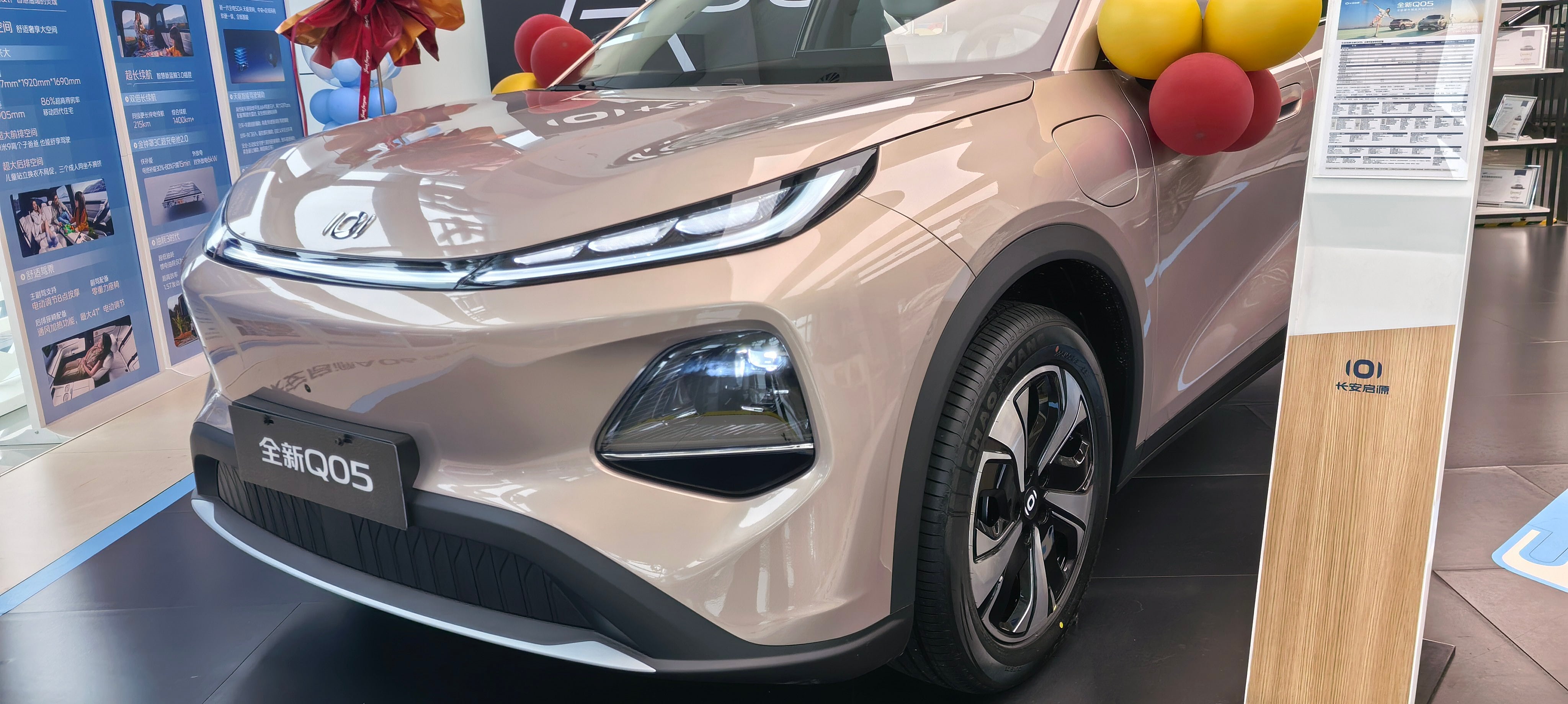
FAQ
How Does a Changan Sedan Balance Performance and Fuel Economy?
A changan sedan for export balances performance and fuel economy through the combined design of its powertrain, transmission, vehicle structure, aerodynamics, tires, and electronic controls. Appropriate powertrain calibration helps provide responsive acceleration, while weight management and aerodynamic refinement can reduce energy requirements. Actual results depend on the specific model, powertrain, equipment, and driving conditions.
How Do Electric SUVs Differ from Conventional Sedans in Engineering Priorities?
Electric SUVs such as the Changan Qiyuan Q05 and Qiyuan Q06 must accommodate battery systems, electric motors, thermal management, and vehicle controls within an SUV body structure. Conventional petrol sedans have different powertrain and packaging requirements. Both vehicle types require careful coordination of handling, comfort, safety, and efficiency, but their technical specifications should be evaluated according to their individual configurations.
What Should Buyers Check When Sourcing a Changan Sedan for Export?
Buyers should verify the exact model and powertrain, vehicle specifications, applicable market certifications, safety equipment, warranty terms, and destination-market compatibility. Fuel consumption or electric driving range should be compared using consistent testing standards. Confirming the export configuration and required documentation helps distributors assess whether a changan sedan for export meets their commercial and operational requirements.